
Manufacturers keep chasing the same win: stronger parts, fewer assemblies, and tighter tolerances without slowing the line. Insert molding delivers that kind of advantage by combining a pre-made insert, often metal or another rigid component, with molten polymer that forms around it in a single cycle. The result feels less like “plastic around a piece of metal” and more like a purpose-built composite part that behaves as one unit.
In high-volume production, the best outcomes come from disciplined design and process control, not luck. Teams that have built programs around Beyonics for Plastic Insert Molding typically focus on repeatability first, then cost, then speed, because consistency keeps scrap down and customers happy. From there, insert molding becomes a practical route to lighter assemblies, cleaner cosmetics, and fewer failure points.
Why Insert Molding Earns a Place in High-Performance Builds
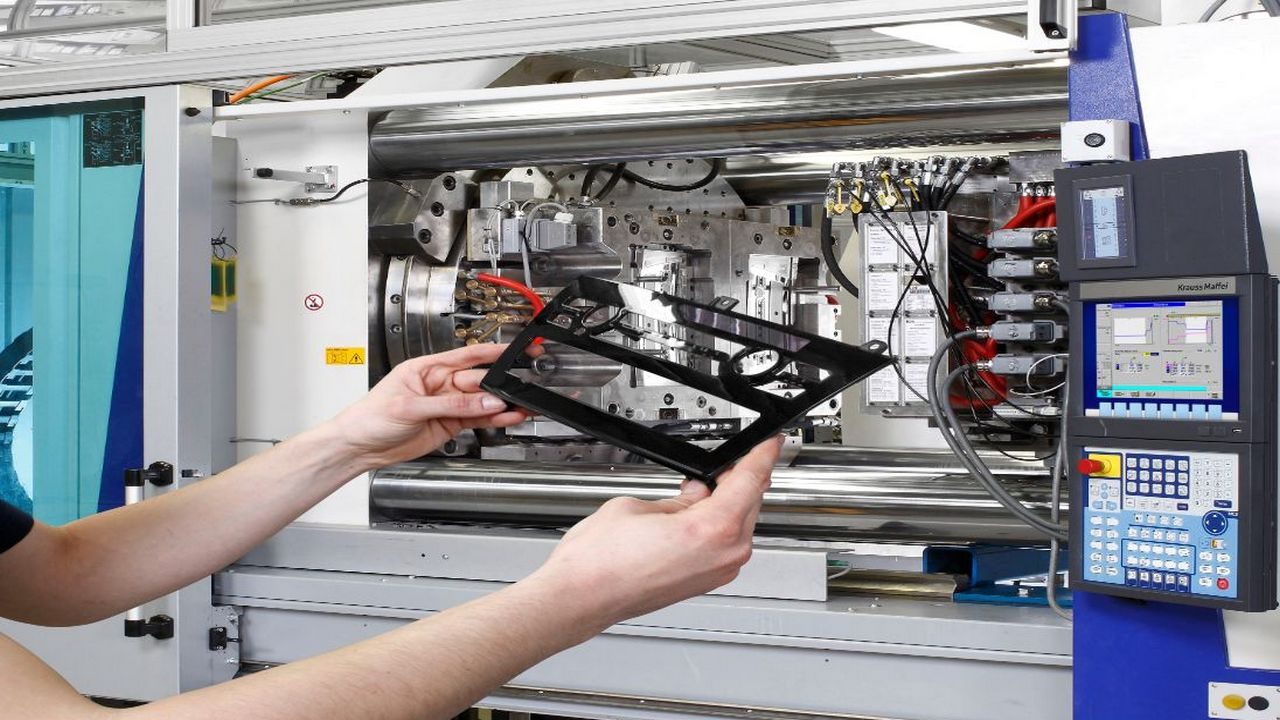
Insert molding solves problems that assembly methods often create. Press fits can creep over time. Adhesives can fail in heat, oils, or humidity. Mechanical fasteners add parts, labor, and torque risk. When the plastic bonds mechanically and sometimes chemically around an insert, it locks features in place and reduces the chance of loosening or rattling after thousands of cycles in the field.
It also improves functional integration. Threads, electrical contacts, bushings, magnets, and reinforcement ribs can live inside a single molded form. That can cut assembly stations, shrink work-in-progress inventory, and reduce the number of suppliers needed to complete one finished product. Less handling also means fewer cosmetic defects, which matters for consumer-facing housings.
Another quiet advantage is design freedom. A molded part can include sealing features, strain relief, alignment pins, or snap geometry while still anchoring a rigid insert. That mix lets engineers hit stiffness targets without making the entire part thick and heavy. In many programs, the strength comes from the insert and the geometry, not from overbuilding the plastic.
Insert and Resin Selection: Where Reliability Starts
Choosing an insert is not just a materials decision. It is a geometry, tolerance, and surface decision. Knurls, undercuts, holes, and ribs give the polymer something to grip, which improves pull-out strength and torque resistance. Smooth inserts can still work, but they demand tighter process control and often rely more on interference and shrink fit.
Insert material and resin must also play nicely across temperature swings. Metals expand at different rates than most polymers. If the application sees heat cycling, that mismatch can create stress at the interface. A smart pairing considers the coefficient of thermal expansion, moisture absorption, and long-term creep. For example, some engineering resins hold dimensions well but need careful conditioning if the environment is humid.
Surface condition matters more than many teams expect. Oils from machining, oxidation, or plating residue can reduce adhesion and consistency. Some programs add cleaning, preheating, or surface treatments to stabilize results. Preheating in particular can reduce thermal shock, improve flow around the insert, and lower the odds of knit-line weakness near the interface.
Tooling and Process Flow: Turning a Good Design into a Repeatable Cycle
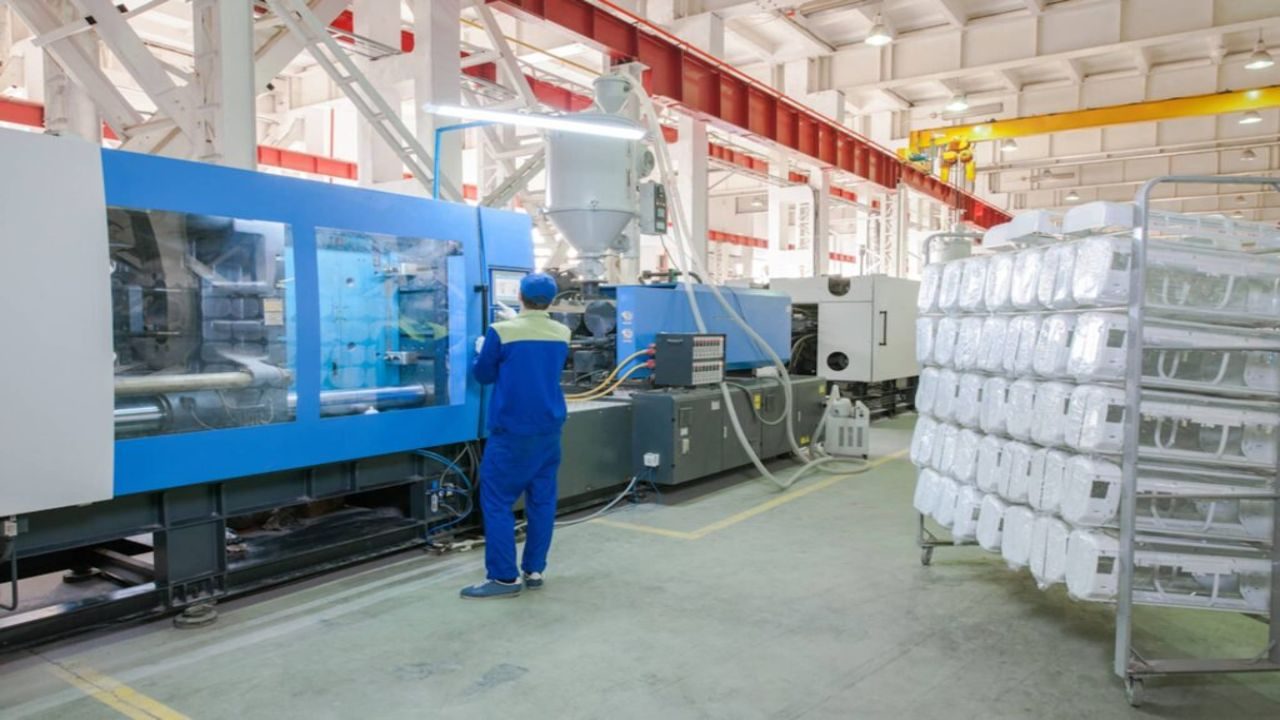
Great insert molding tools treat insert location like a precision operation, not an afterthought. The tool needs positive location features and robust retention so the insert does not shift when the melt front hits it. That can mean magnetic holding, mechanical pins, vacuum assist, or dedicated insert nests. The right approach depends on the insert shape, cycle time goals, and automation plans.
Gate strategy is a big deal. You want a balanced fill that avoids jetting, traps less air, and reduces weld lines in high-stress zones. If the part wraps around an insert, the melt has to split and meet again, which can create a weak line if the temperature or pressure is off. A well-designed runner and venting plan helps the polymer pack around the insert without burning or short shots.
Process windows should be built around the interface. Melt temperature, mold temperature, injection speed, and pack profile all affect how well the polymer conforms to the insert features. Too cold and the melt freezes early, leaving voids. Too hot, and you can get flash, sink, or resin degradation. The best teams validate a robust “sweet spot” that survives normal variation in material lots and ambient plant conditions.
Common Failure Modes and How to Prevent Them
Insert molding failures usually show up as movement, cracking, or cosmetic defects, and each has a different root cause. Insert shift often comes from weak retention, poor nest design, or injection profiles that slam the insert before plastic supports it. Tightening insert location features and tuning the fill profile can fix the issue faster than chasing resin changes.
Voids and poor encapsulation come next. They can happen when air cannot escape, when the polymer freezes before packing, or when the insert acts like a heat sink and cools the melt locally. Better venting, inserting preheat, and adjusting pack pressure often solves it. It also helps to avoid sharp transitions near the insert, where flow can hesitate and trap gas.
Cracking can show up immediately during ejection or later in service. If the insert creates a stress riser and the resin shrinks hard around it, the part may hold internal stress that releases later as a fracture. Radii, controlled wall transitions, and a resin with the right toughness profile help a lot. So does designing for balanced shrink and avoiding overly aggressive glass-fill if the geometry is already complex.
Quality Control That Fits Real Production, Not Lab Conditions
Good quality control for insert molding starts with measurables tied to performance. Dimensional checks around the insert, pull-out strength, torque-to-fail, and leak testing for sealed parts all give direct signals. Cosmetic checks matter too, but functional metrics keep teams from shipping parts that look fine and fail early.
Inline process monitoring can catch drift before scrap piles up. Cavity pressure sensing, shot-to-shot weight tracking, and thermal monitoring can reveal subtle changes in material viscosity or tool temperature. When paired with clear reaction plans, that data turns into practical control instead of noise. The goal is not more charts. The goal is fewer surprises.
Automation can raise consistency if it is designed with care. Pick-and-place systems, vision verification for insert presence, and poka-yoke nests reduce human variation. The biggest win is preventing “missing insert” defects, which can be expensive if they get assembled into finished products. Simple presence detection often pays for itself quickly.
Cost Drivers, Scaling Strategy, and Smart Program Decisions
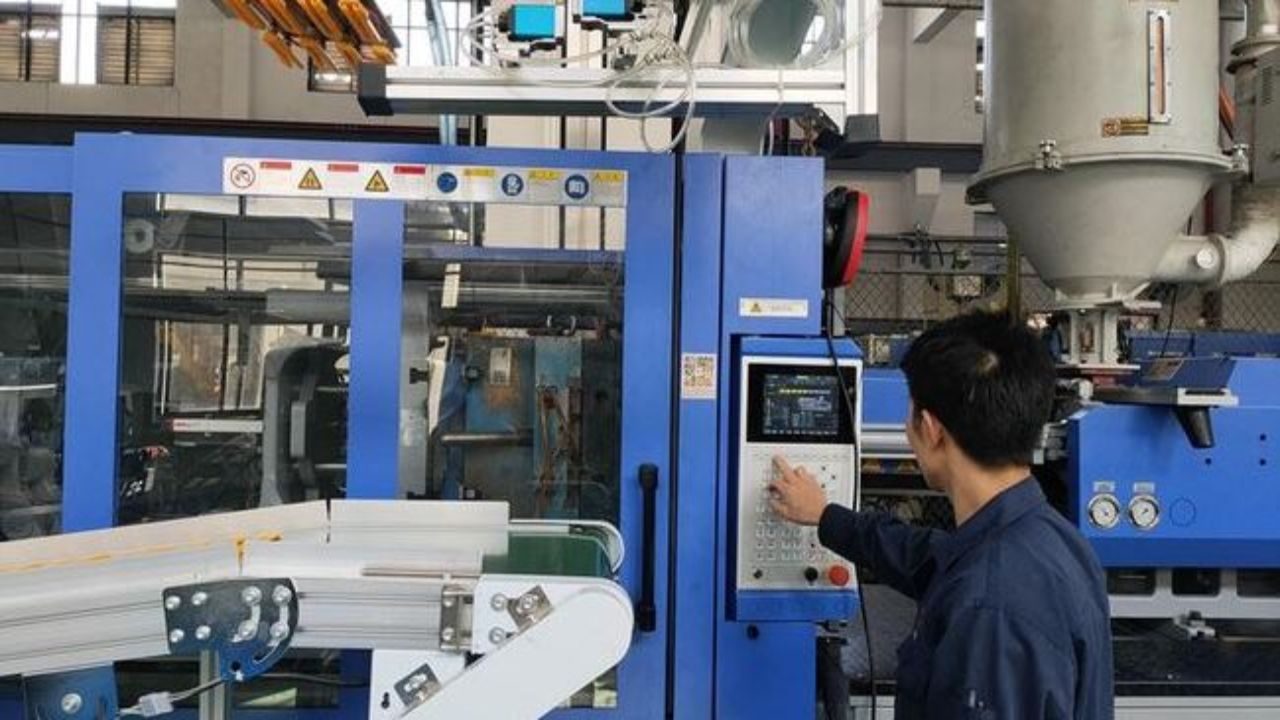
Insert molding can look expensive at first because it adds insert handling, tighter tooling, and more validation work. Yet total cost often drops once you account for eliminated fasteners, fewer assembly steps, reduced warranty risk, and smaller supply chain complexity. The part price is only one line item. The full system cost usually tells a different story.
Tooling choices also influence long-term economics. A tool optimized for manual loading might struggle to scale. A tool designed for automation from day one can support higher cavitation and faster cycles later. That decision matters most in programs that expect demand growth, because retrofitting for automation can cost more than planning for it early.
Supplier collaboration is another cost lever. Insert tolerances, plating specs, and packaging affect molding yields. When suppliers and molders agree on realistic tolerances, cleanliness standards, and lot traceability, lines run smoother. Scrap drops. Output becomes predictable. Predictability is where margins are made.
Where Insert Molding Is Headed Next
Modern insert molding keeps expanding into compact electronics, EV components, medical devices, industrial sensors, and ruggedized connectors. These products need lightweight, tight packaging, and dependable interfaces. Insert molding supports all three by integrating electrical, mechanical, and sealing needs into one molded geometry.
Sustainability pressure is shaping material choices and design decisions. Programs are exploring recycled-content resins where performance allows, plus designs that reduce part count and shipping volume. Another trend is designing inserts for easier end-of-life separation when regulations or customer requirements demand it. That pushes engineers to think about the full lifecycle at the CAD stage.
On the factory floor, expect more closed-loop control and smarter automation. Vision systems already verify inserts and track defects. Next steps include adaptive process controls that respond to cavity pressure and temperature in real time. That kind of control helps keep interface strength consistent, even as materials and ambient conditions shift across seasons and production sites.