Replacing a missing tooth is not only about looks. A gap changes how bite forces move through the mouth, how easily food gets trapped, and how the jawbone stays active. Over time, that single space can affect chewing comfort, speech clarity, and the health of nearby teeth. That is why many patients ask a bigger question: what option supports long-term oral health, not just a quick cosmetic fix?
Modern implant dentistry has made that goal much more realistic. At Orto Nova in Croatia, dental implants are often discussed as a way to restore function while also protecting the surrounding structures. Still, the best choice depends on health history, habits, bone quality, and expectations. The sections below break down what patients should know, in plain language, before committing to treatment.
Why Missing Teeth Can Harm Oral Health Over Time
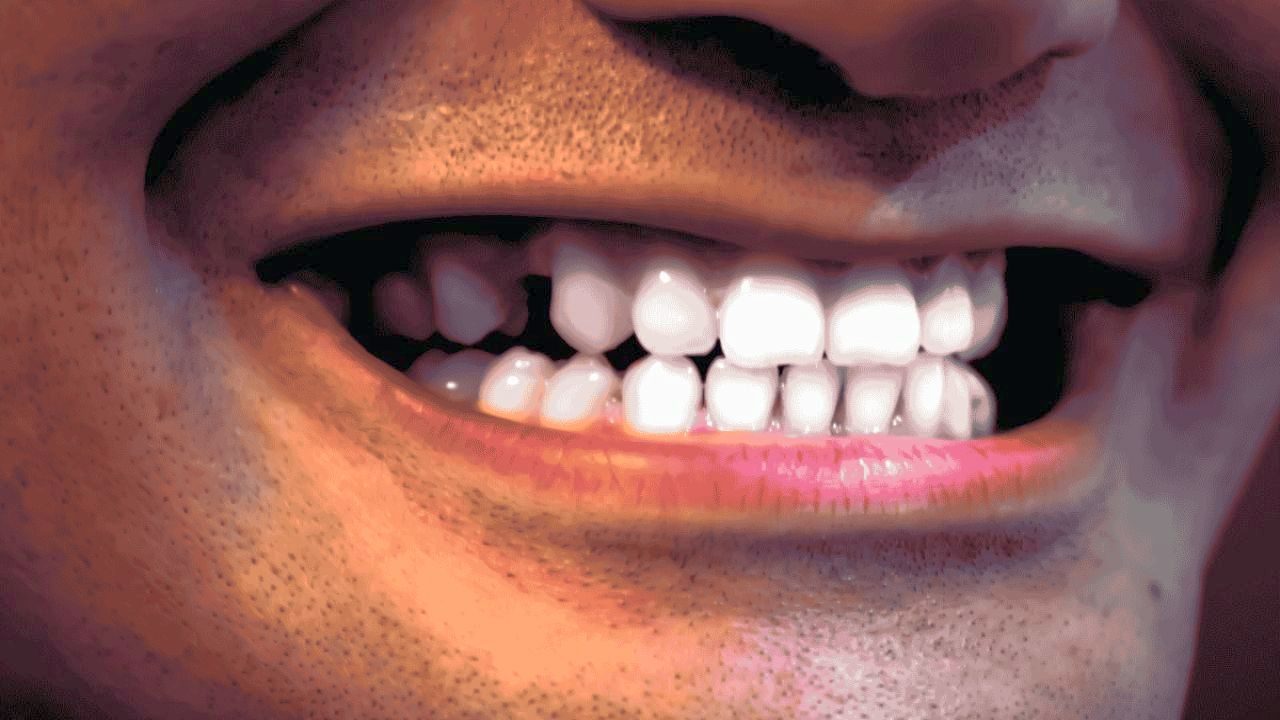
A missing tooth does more than leave an empty space. The teeth next to the gap often start to drift or tilt. The opposing tooth may slowly erupt downward or upward because it has nothing to bite against. Those shifts can throw off the bite, create new pressure points, and make certain teeth work harder than they should. That is when small issues can turn into frequent chipping, soreness, or uneven wear.
Bone loss is another major concern. The jawbone stays strong through stimulation, mainly from chewing forces transferred through tooth roots. When a tooth is gone, that area receives less stimulation. Bone volume can shrink over time, which may change gum contours and facial support. It can also make future replacement options more complex.
Missing teeth can also raise the risk of gum inflammation. Gaps and shifting teeth can trap plaque in hard-to-clean spots. Patients often brush well but still struggle with flossing around crowded or tilted teeth. That increases the chance of gingivitis and, for some people, periodontal disease.
How Dental Implants Support Function and Jawbone Health
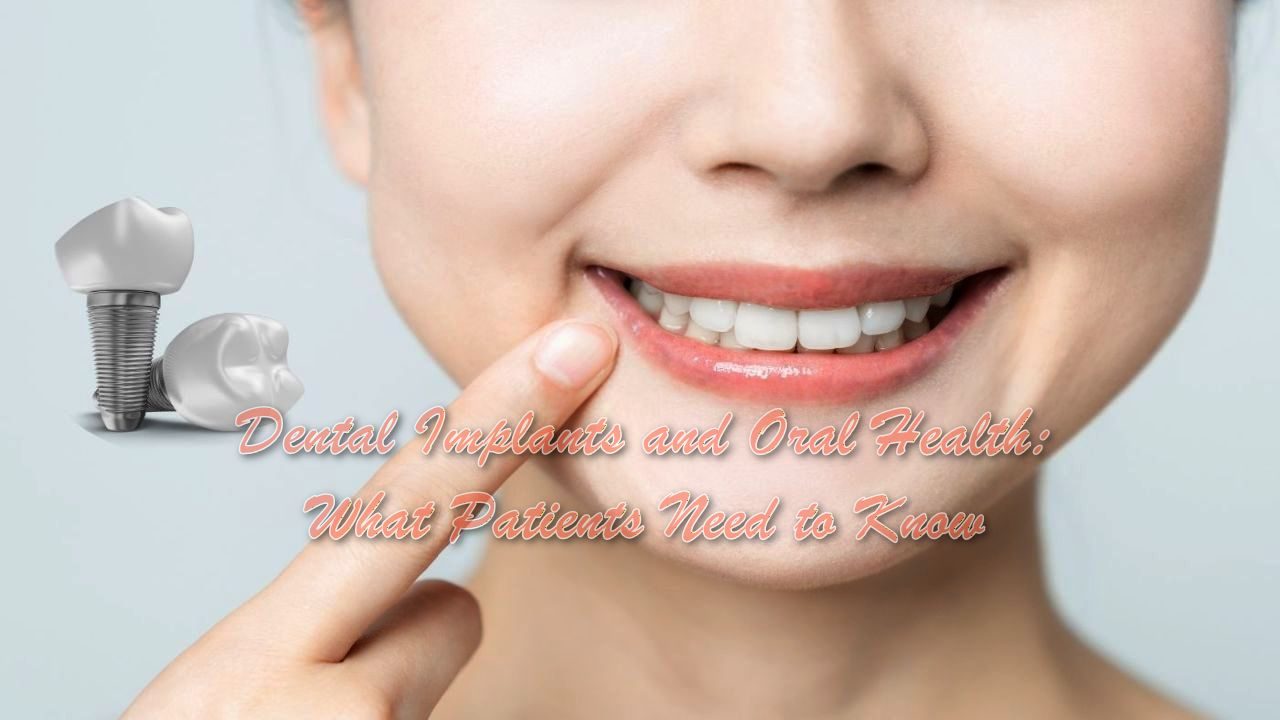
An implant replaces the tooth root, not just the visible crown. A small titanium or ceramic post integrates with the bone, creating a stable base for a crown. That design helps restore chewing strength in a way that resembles a natural tooth. Many patients notice they can eat more confidently because the replacement does not slide or press on gums like some removable options.
Because the implant sits in the bone, it can help maintain bone activity in that area. Chewing forces travel through the implant to the jaw, which supports bone preservation for many patients. That matters for long-term oral health and for keeping the gumline and facial structure more stable over time.
Implants can also protect nearby teeth. Traditional bridges often require reshaping the teeth on either side of the gap so they can support the bridge. Implants usually avoid that step because they stand on their own. For patients with otherwise healthy neighboring teeth, that can be a major benefit.
Who Is a Good Candidate and What Can Delay Treatment
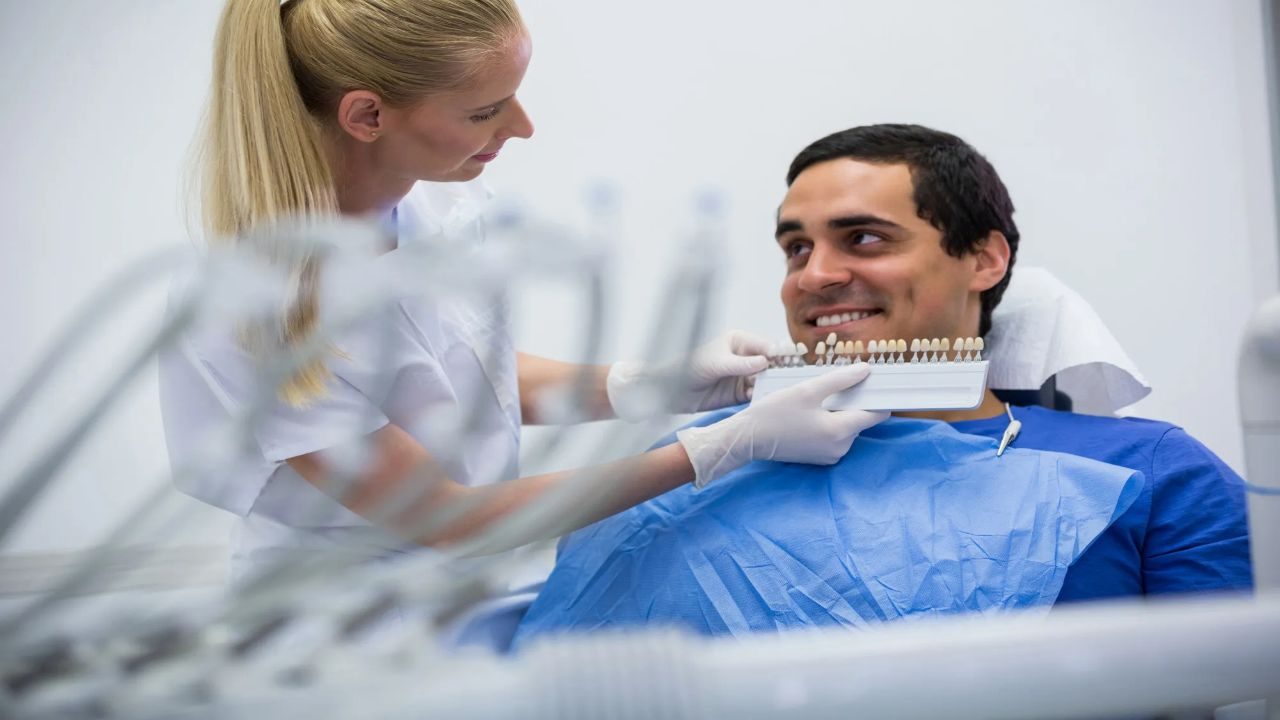
Many adults qualify for implants, but candidacy is not automatic. Healthy gums and good daily hygiene habits matter because implants need a clean, stable environment. If gum disease is active, it should be treated first. The same goes for untreated cavities or chronic infections. A strong foundation makes implant success far more predictable.
Bone quality and volume also play a role. Some patients have adequate bone right away, especially if the tooth was lost recently. Others may need grafting to rebuild the site. That sounds intimidating, but grafting is common and often straightforward. The goal is to create enough stable bone to support long-term integration.
Certain health factors can slow healing. Smoking, uncontrolled diabetes, heavy grinding, and some medications can affect bone metabolism and tissue repair. That does not always rule out implants, but it may change timing and planning. A careful evaluation helps match the treatment plan to real-life risk factors instead of assuming every case is identical.
The Implant Process Step by Step
Most implant care follows a staged plan. It begins with diagnostics: a clinical exam, digital imaging, and often a 3D scan to map bone and nerve positions. Your dentist or surgeon uses this information to choose implant size, angle, and placement approach. Planning is where many long-term problems get prevented, so it is not a step to rush.
Next comes placement. The implant is inserted into the jawbone, usually under local anesthesia, sometimes with sedation if needed. After placement, the bone needs time to bond with the implant surface. This healing phase varies, but it is commonly several months. During this time, some patients wear a temporary tooth replacement for comfort and appearance.
Once integration is confirmed, an abutment and crown are fitted. The crown is designed to match bite forces and fit the gumline naturally. The final step is not just “putting a tooth on.” It is fine-tuning the bite so the implant does not take excessive pressure and so cleaning access stays practical.
Caring for Implants and Keeping Gums Healthy
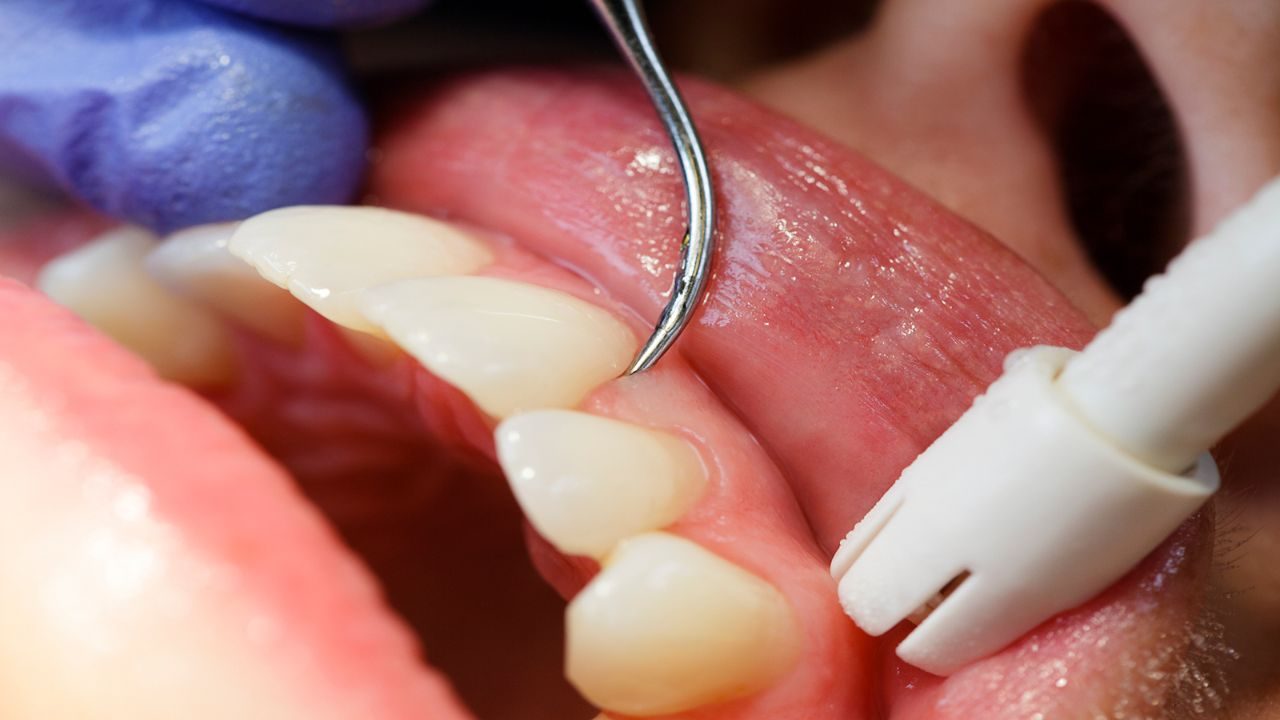
Implants do not get cavities, but the gums around them can still become inflamed. Think of implant care as gum care plus smart habits. Daily brushing and cleaning between teeth remain essential. Many patients do best with a soft toothbrush, a nonabrasive toothpaste, and an interdental brush or floss designed for implant work.
Professional maintenance matters too. Regular checkups allow your provider to measure gum health, check bite forces, and monitor bone levels around the implant. Cleanings may use implant-safe instruments. If plaque hardens around implants, it can lead to peri-implant mucositis, which is gum inflammation. If ignored, it can progress to peri-implantitis, which involves bone loss.
Night grinding is another factor that can shorten the lifespan of implant restorations. If you clench or grind, a night guard can protect both implants and natural teeth. It is a simple step that often prevents cracked crowns, loosening components, and chronic soreness.
Risks, Red Flags, and Smart Questions to Ask Your Dentist
Implants have a strong success record, but every surgical treatment has risks. Early issues can include swelling, bruising, temporary numbness, or infection. Later problems may involve gum inflammation, screw loosening, crown chipping, or bone loss around the implant. Most of these risks can be reduced with careful planning, good hygiene, and consistent follow-up.
Pay attention to warning signs. Bleeding when cleaning around the implant, persistent bad taste, swelling, new pain during biting, or a feeling that the crown is moving should all prompt a call to the dental office. Many problems are easiest to fix when addressed early. Waiting often turns a small adjustment into a bigger repair.
Before starting treatment, ask clear questions. What does the scan show about bone needs? Will grafting be required? What is the expected timeline from placement to final crown? How will the bite be adjusted to protect the implant? What home care tools do you recommend for my specific case? Direct answers help patients feel confident and help set realistic expectations from day one.