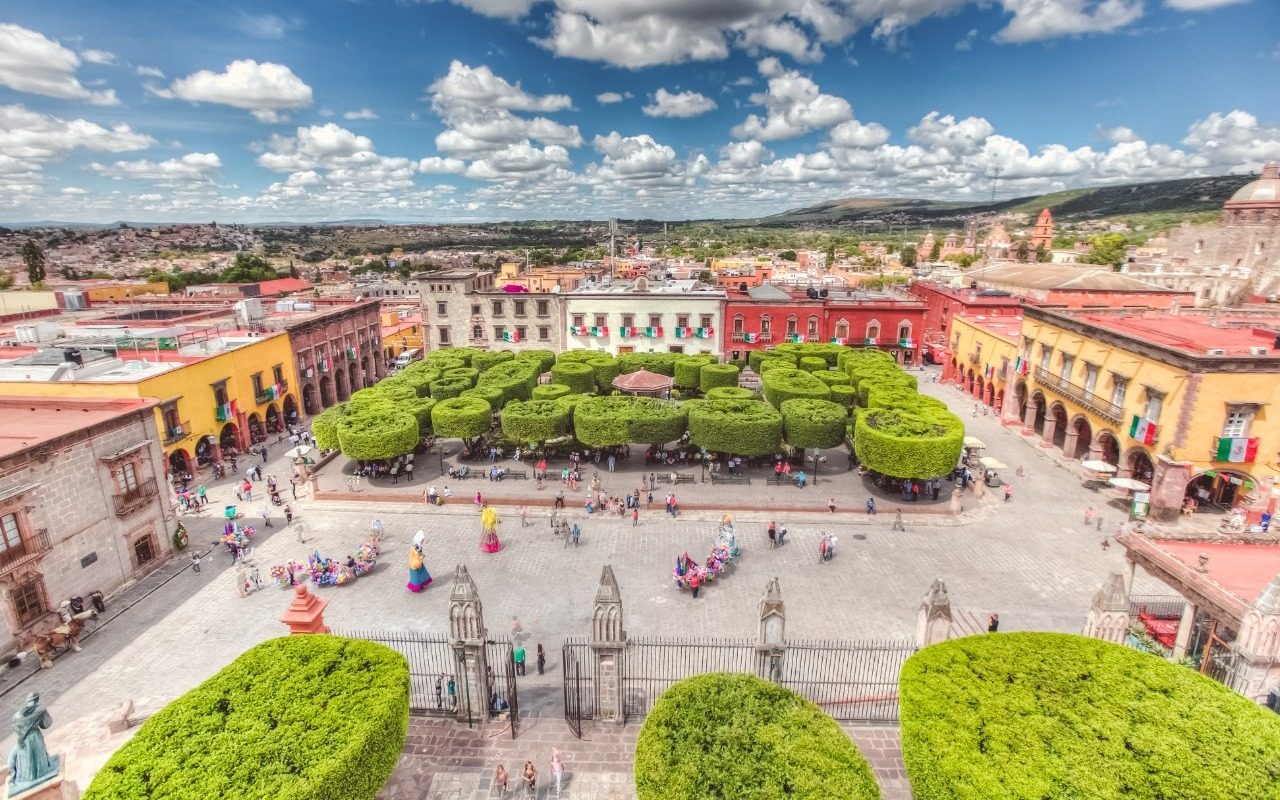
Purchasing real estate in a foreign country involves layers of complexity that most buyers don’t anticipate until they’re already deep in the process. In San Miguel de Allende, that complexity is offset by a market that has attracted serious international attention over the past decade: not because it’s cheap, but because it offers something genuinely difficult to find at this price point. Agencies like DreamProHomesLuxury have built practices specifically around connecting international buyers with properties here, handling both the search process and the legal requirements that make foreign ownership in Mexico distinct from buying domestically.
San Miguel de Allende real estate has developed a reputation for holding its value during periods when other Mexican markets softened, partly because of the city’s UNESCO World Heritage designation and partly because international demand has stayed consistent for over a decade. Buyers who completed purchases in 2015 and 2016 have generally come out well, which is why the current wave of interest from North American buyers feels less like speculation and more like recognizing a pattern that has already played out elsewhere.
How Foreign Ownership Actually Works in Mexico
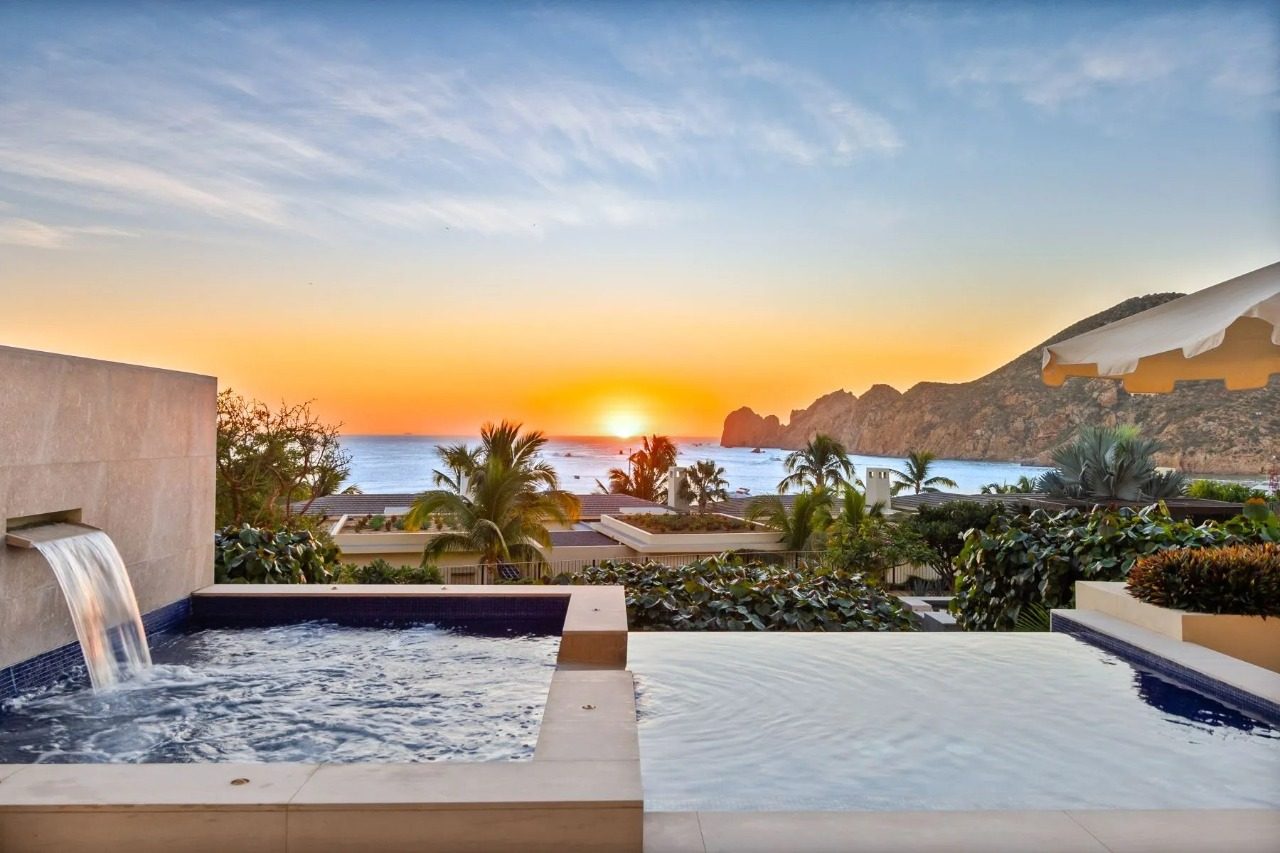
The most confusing aspect of buying property in Mexico as a foreigner isn’t the price negotiations or the due diligence phase; it’s understanding how legal title actually works. Foreign nationals cannot hold direct title to property within Mexico’s restricted zone, which covers land within 50 kilometers of any coastline and 100 kilometers of an international border. San Miguel de Allende, located inland in Guanajuato, falls outside that zone, which simplifies ownership considerably for most buyers.
Outside the restricted zone, foreign buyers can hold direct title in their own name, through a Mexican corporation, or through a trust structure called a fideicomiso. Most buyers working with a competent attorney opt for direct title when the property is inland, since it avoids the ongoing bank fees associated with the trust arrangement. That said, some choose a corporation structure for tax planning reasons, particularly if they plan to generate rental income from the property. Which approach makes sense depends on the buyer’s long-term plans and their home country tax situation.
The Fideicomiso and Why It Matters Even If You Don’t Need One

The fideicomiso is a bank trust in which a Mexican financial institution holds legal title to a property on behalf of a foreign buyer. The buyer, as the trust beneficiary, retains all practical ownership rights: using the property, renting it, selling it, renovating it, and passing it to heirs. The trust runs for 50 years and is renewable. Banks typically charge between $500 and $700 USD annually for administration.
For coastal property purchases in Mexico, the fideicomiso is mandatory. For buyers in San Miguel de Allende, it’s one option among several. Some foreign buyers choose it anyway out of familiarity or because their attorney recommends it for other reasons. The critical point is that this is not a second-class form of ownership; it was designed specifically to enable and protect foreign investment and has been used by thousands of international buyers for decades.
According to the U.S. Department of State’s Mexico information page, consulting a qualified Mexican attorney before signing any real estate contract is strongly advised, particularly for buyers working through the legal differences between coastal and non-coastal property purchases.
What the UNESCO Designation Actually Protects
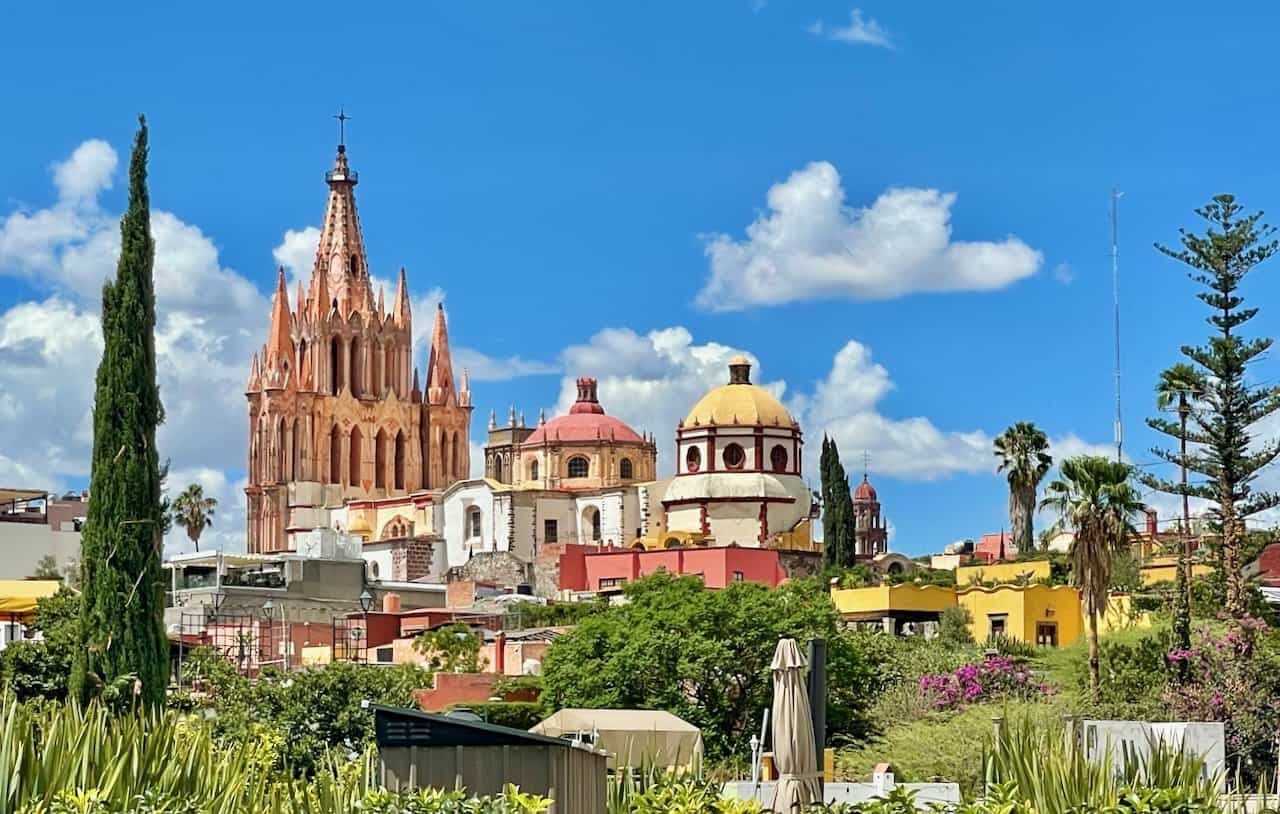
San Miguel de Allende received UNESCO World Heritage status in 2008, along with the nearby Sanctuary of Jesús Nazareno de Atotonilco. The designation covers the historic town center and protects it from the kind of development that has altered other popular Mexican cities over the past 30 years. For property buyers, this matters in a very practical way: the physical character of the city is legally defended.
That protection shows up in building regulations. Any renovation or construction within the historic core must comply with guidelines that preserve the colonial appearance of the streetscape. You can’t add a glass and steel facade to an 18th-century casa. This constraint is, paradoxically, one of the reasons buyers pay premium prices in the centro: they know the aesthetic environment that attracted them in the first place cannot be quietly demolished by a neighbor’s development project.
The flip side is that major renovations require permits and architectural approvals that add time and cost to projects. Buyers planning significant work on a historic property should factor this into their due diligence, not as a red flag but as a realistic budget item.
Choosing Where in San Miguel to Buy
The city has distinct neighborhoods that attract different buyer profiles. The historic centro, with streets built for horses and colonial buildings centered on interior courtyards, suits buyers who want to walk to restaurants and cultural events and don’t mind paying for the privilege. Properties here move quickly because supply is constrained by the heritage designation and demand has been consistent for years.
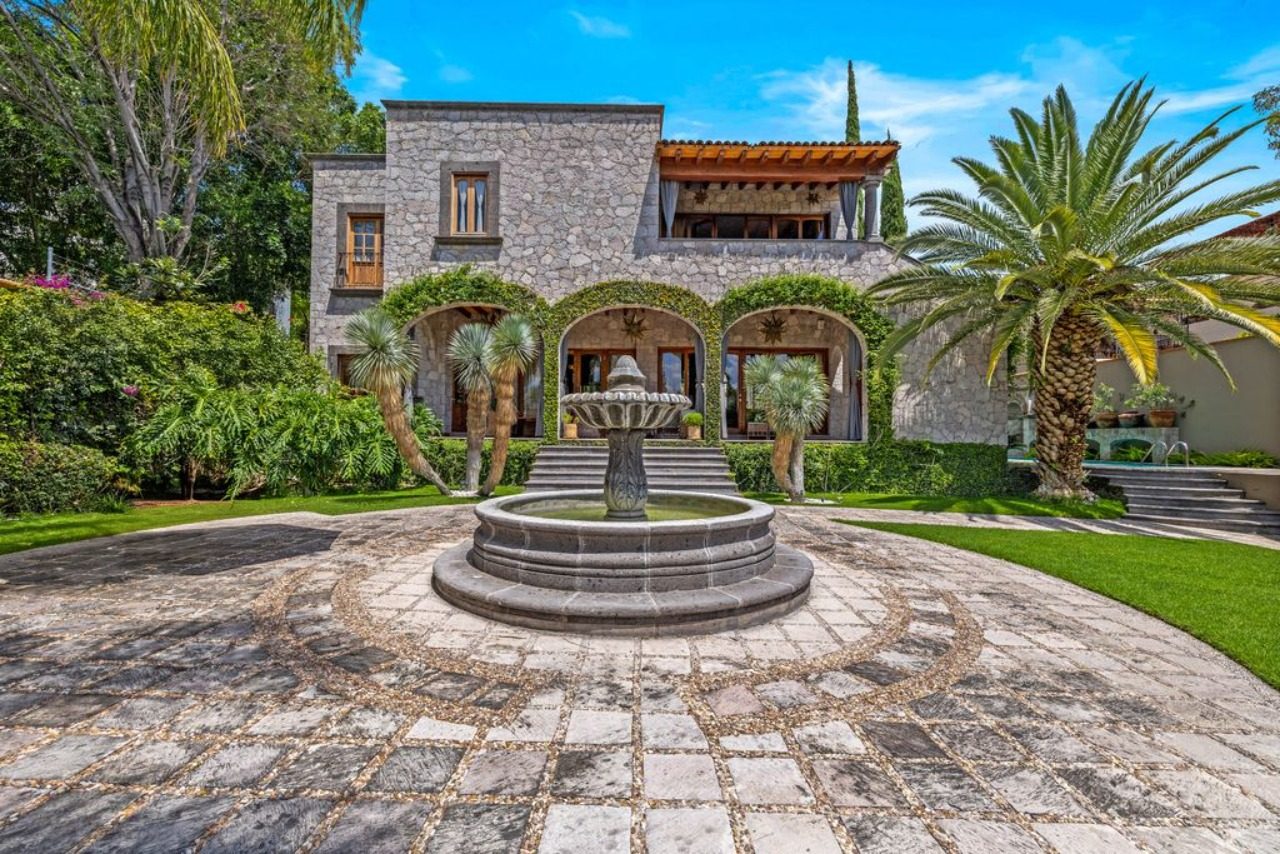
Neighborhoods like Guadiana and Ojo de Agua sit slightly outside the centro and offer more space for the money. Properties in these areas often have larger gardens, more parking, and floor plans that work better for families or for buyers planning to rent the property for part of the year. The tradeoff is being 10 to 15 minutes from the Jardin Principal on foot rather than three.
Further out, new-build developments have created options for buyers who want modern construction and amenities without the renovation demands of a heritage property. These appeal primarily to buyers focused on ease of ownership rather than historical character, and they carry a different kind of investment risk since their long-term value is less proven than centro properties.
Tax Obligations American Buyers Should Understand Before Closing
Buying property in Mexico as an American citizen doesn’t eliminate U.S. tax obligations; it layers Mexican tax considerations on top of them. Mexico imposes a transfer tax at closing, typically around 2% of the property value, and there are ongoing property taxes called predial that are generally quite low compared to U.S. standards. When you eventually sell, Mexico applies a capital gains tax, with exemptions available under certain conditions.
On the U.S. side, owning foreign real estate directly doesn’t trigger reporting requirements in most cases. As the IRS explains for U.S. citizens living or investing abroad, foreign real estate held directly is generally not a specified foreign financial asset and doesn’t need to be reported on Form 8938. That changes if the property is owned through a foreign corporation or trust, which is one reason the ownership structure decision has real tax consequences beyond the legal ones.
Working with a professional who understands both U.S. and Mexican tax law is worth the cost for buyers planning to rent the property or eventually sell it for a gain. Finding that person before you make an offer is better than finding them afterward.