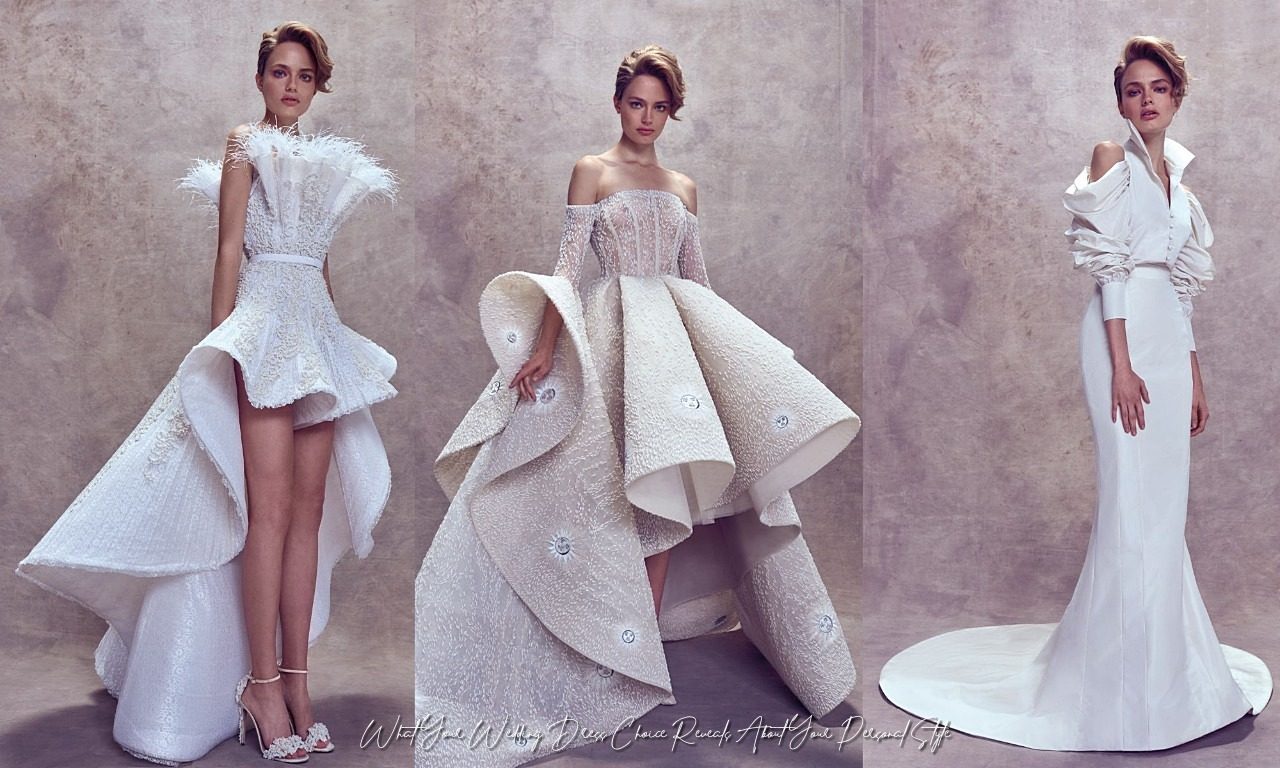
The dress you wear on your wedding day is, by most accounts, the most deliberate clothing decision you will ever make. Unlike a jacket pulled off the rack or shoes chosen for comfort, a wedding gown is chosen after appointments, consultations, and in many cases months of searching. Brides who explore wedding dresses by Blammo-Biamo often describe the experience as the first time they truly understood what their own aesthetic actually was, not just what they thought it should be.
That kind of clarity tends to translate outward. Boutiques like Luxx Nova have built their business around helping brides work through that process without pressure, which is part of why so many women leave their first fitting knowing more about their taste than when they arrived. What follows is a closer look at the signals your dress choices send, and why they say more about you than you might expect.
How Silhouette Signals Your Sense of Proportion
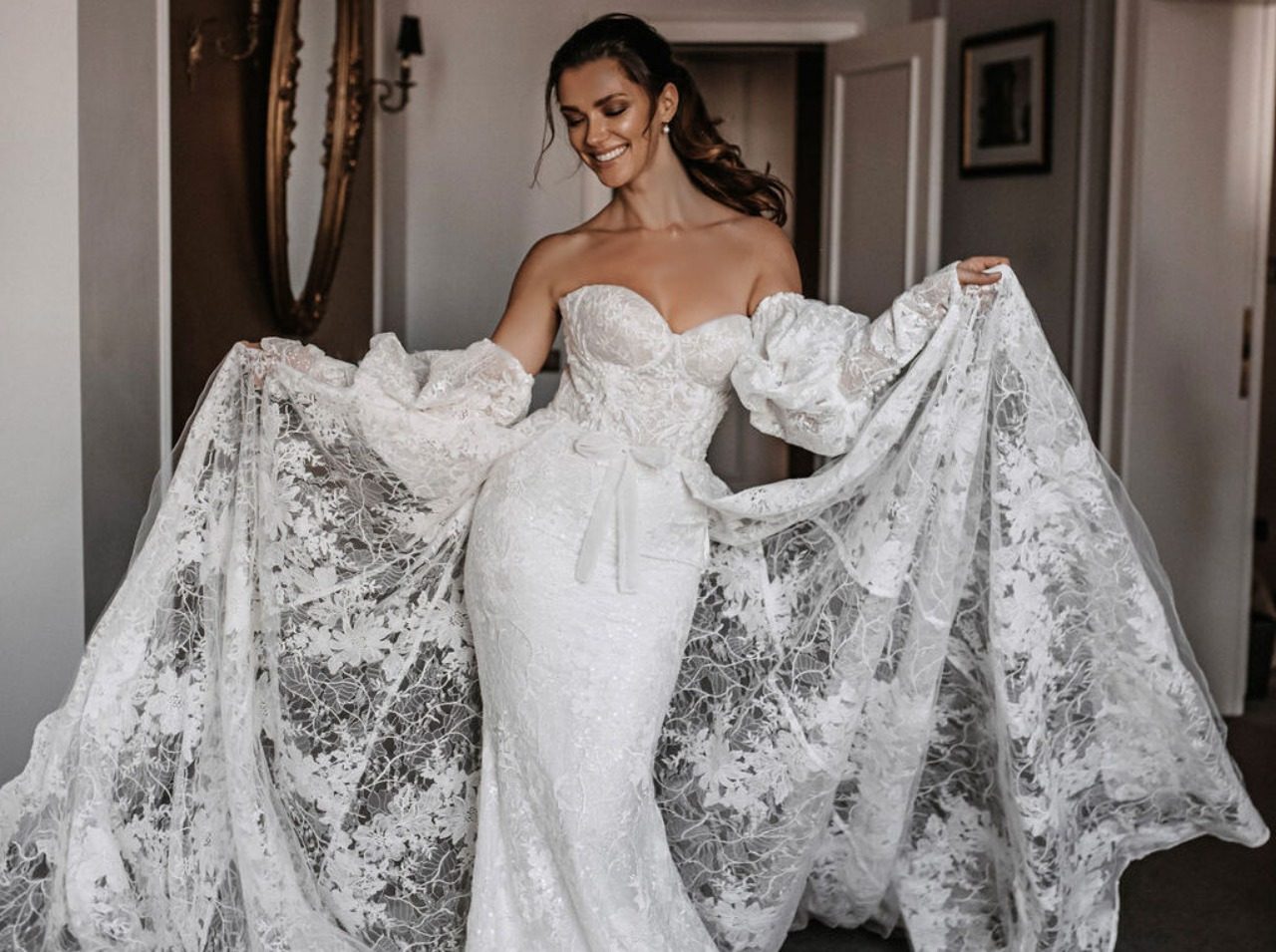
A-line dresses have dominated bridal fashion for decades, and the reasons are functional as much as stylistic. The shape tapers naturally from the waist outward, which flatters a wide range of body types, but that alone does not explain why a bride picks one over a fitted column or a dramatic ballgown. Silhouette, more than any other element of a dress, reflects how a person thinks about proportion in clothing generally.
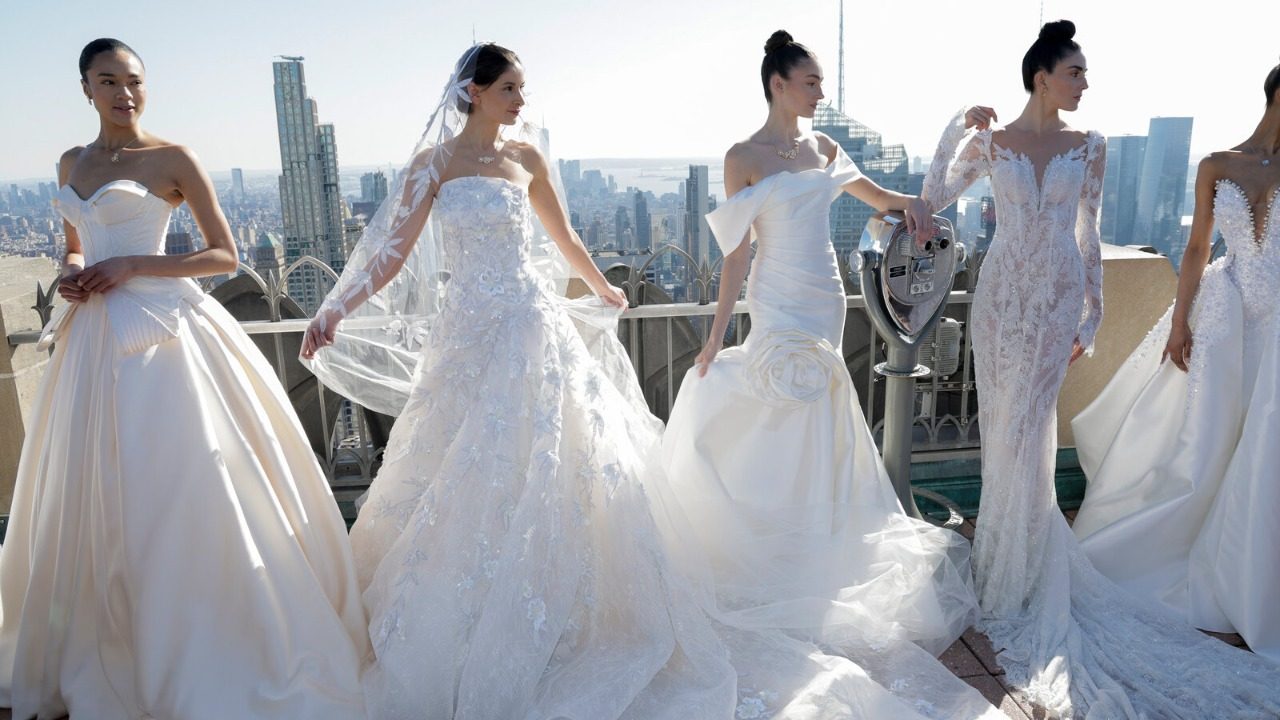
A bride who gravitates toward a ballgown tends to want ceremony. There is something deliberate about that choice: the volume, the weight, the way the skirt appears in floor-length photos. Column and sheath styles are architectural rather than theatrical, and brides who choose them usually already own a wardrobe that favors clean lines over decoration. Fit-and-flare falls somewhere between the two, appealing to women who want structure from the waist down but something with movement at the hem.
Getting silhouette right before looking at fabric saves time in the fitting room. Most experienced bridal stylists recommend trying two or three silhouettes in the first appointment before committing to a direction.
Fabric Weight and What It Says About the Occasion You’re Imagining
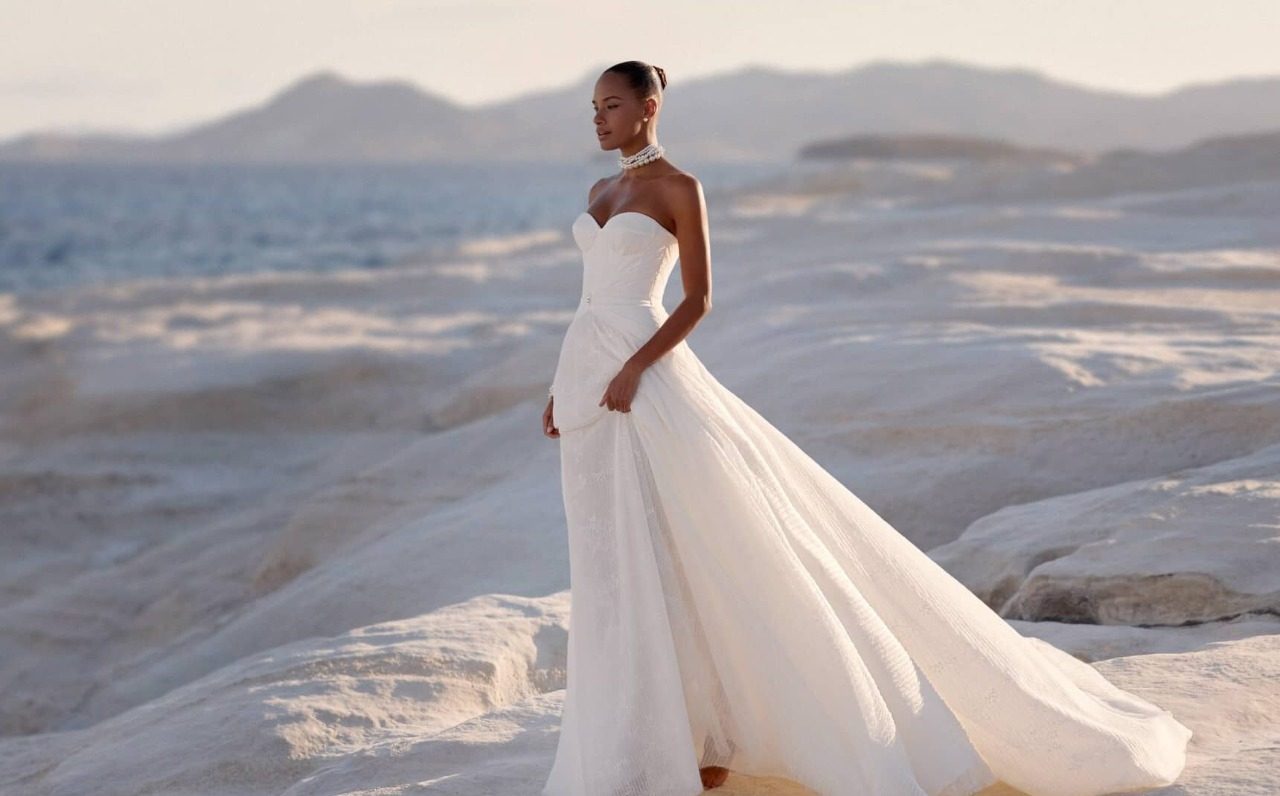
Satin carries formality in a way that chiffon simply does not. A bride who chooses heavy duchess satin, especially with a cathedral train, signals that the day is a major event, structured and ceremonial. A bride who picks silk organza or layered tulle has something lighter in mind, something that moves, that photographs well outdoors, that does not demand the same setting.
Crepe sits in a middle ground that many brides overlook. It is heavier than chiffon but matte rather than reflective, which gives it a contemporary feel that works well for both indoor ceremonies and outdoor venues. According to the Costume Institute at the Metropolitan Museum of Art, fabric construction has long been the primary indicator of dress formality, and that logic carries forward into modern bridal wear.
The weight of a fabric also affects how a dress moves during a reception, how comfortable it is through a four-hour evening, and how well it photographs under mixed lighting. None of that is trivial.
Designer Choices Reflect More Than Budget
When a bride says she wants a specific designer, she is usually responding to something aesthetic rather than something aspirational. The language of bridal design varies considerably between labels. Some favor architectural structure, sharp seaming, and minimal embellishment. Others build dresses around lace, illusion necklines, and dimensional beadwork. The distinction matters because each approach tells a different story.
A bride drawn to heavily embellished dresses tends to have a specific relationship with occasion dressing. She wants the gown to be the focal point, and she is comfortable being the visual center of a large space. A bride who prefers sleek silhouettes usually has a strong sense of how she dresses day-to-day, and she wants her wedding look to feel like a coherent extension of that. Heavily beaded gowns can also add significant weight, which becomes relevant during a reception lasting five or six hours; construction philosophy affects comfort as much as appearance.
What Color Choices Communicate
Not everyone chooses white, and the alternatives say quite a bit. Ivory is now so common in bridal wear that it barely registers as a departure from tradition, but champagne, blush, and off-white shades in the warmer or cooler direction carry specific visual meaning depending on skin tone and setting. A champagne gown reads differently against a ballroom backdrop than a crisp white gown does.
Brides who choose color, whether pale blue, sage, or even a stronger hue, are usually signaling something about the overall aesthetic of the wedding itself. These choices tend to correlate with outdoor venues, nontraditional ceremonies, or weddings where the couple has specifically styled the event around a color palette rather than a conventional theme.
Color psychology research, including work published through the American Psychological Association, finds that clothing color choices in formal settings reflect how people want to be perceived socially. In practical terms, that means your instinctive color preference in a fitting room is worth taking seriously.
Why Trend Awareness Doesn’t Always Lead Anywhere Useful
Bridal trends move slower than ready-to-wear trends, but they do move. Off-the-shoulder necklines had a long run through the mid-2010s. Sleek, minimalist styles gained significant ground in the early 2020s. Corset-inspired boning became more visible in 2022 and 2023. The cycle matters because brides who follow trends closely risk choosing a dress that will look precisely dated in wedding photos five years from now. That’s not an argument against knowing what’s current; trends are useful because they contextualize what you’re seeing in boutiques, and some trend-forward elements are genuinely timeless once the initial buzz fades.
Brides who trust their long-standing personal preferences over what appears in recent editorial coverage tend to report more satisfaction with their dress choice in retrospect. The better question is always whether a trendy element resonates with how you actually dress outside of special occasions. The gown that felt right on the body in the fitting room, without the overlay of trend-awareness, is almost always the one that wears best in photographs and memory alike.