Movies get it wrong. Following a target in a foreign country isn’t about cool gadgets and one-liners. It’s about discipline. Awareness. Adapting in real time.
Private investigators often work in silence, not for drama, but for results. The job might look ordinary on the outside, but underneath, it’s complex and calculated.
This kind of surveillance takes serious skill. Especially if you’re working with international cases. That’s why people often turn to professionals—someone with experience navigating local laws, foreign customs, and cross-border challenges. Like this Australian private investigator. The kind of expert who knows how to track someone overseas without causing a stir or breaking the law.
Whether it’s a suspected affair, a missing person, or a corporate breach, professionals like these step in when the stakes are high and every move counts.
First, You’ve Got to Blend In

Forget the trench coat. The real trick is not looking like you’re following someone. And in a foreign country? That gets ten times harder.
Different country. Different culture. Different rules.
One wrong outfit or an awkward interaction can make you stand out fast. Locals notice. So do shopkeepers. And the person you’re tailing? They notice too.
Success starts with awareness. Understanding what’s normal in that environment. Knowing what kinds of people belong where. If everyone’s in jeans and flip-flops, don’t show up in a blazer. Simple, right? But people get it wrong. Often.
And then there’s the language barrier. You don’t need to speak fluently. But if you don’t know how to order coffee or ask for directions like a local, you’ll get marked. Quickly.
You’re Not Just Watching—You’re Reading Everything
Following someone isn’t just about watching where they go. It’s about why they go there.
That means reading behavior. Noticing patterns. Picking up on body language.
Does the target keep checking over their shoulder? Are they speeding up near certain locations? Ducking into stores for no reason? That might mean they’re spooked.
Foreign cities throw extra curveballs. New neighborhoods. Unknown street layouts. Public transport systems you’ve never used before. It’s not like being on home turf. You don’t know all the exits.
So you’re not just tracking someone. You’re tracking yourself. Every step. Every decision. Every move.
One Wrong Move? You’re Burned

And getting burned isn’t like in the movies. There’s no dramatic chase scene. No car screeching away into the sunset.
Usually, it’s more awkward. More embarrassing. Sometimes dangerous.
You follow someone into a quiet cafe. They stop. Turn. Stare. You make eye contact. Just for a second. And that’s it. Game over.
In a foreign country, getting burned can mean more than just ending the assignment. It might mean dealing with local police. Visa issues. Or worse—being blacklisted from returning.
That’s why discretion is everything. You move slowly. Stay patient. Take your time. You make choices that don’t draw attention, even if it means losing the target temporarily.
Because here’s the truth. Sometimes letting them go is smarter than risking exposure.
Technology Helps… But Only So Much
Sure, there’s gear involved. Cameras. GPS trackers. Digital surveillance tools.
But when you’re in another country? The rules shift.
Not every country lets you install trackers or use high-tech listening devices. Privacy laws vary wildly. What’s legal in one place might land you in jail somewhere else.
Also, tech can glitch. Phones die. Wi-Fi cuts out. Cameras fail. And suddenly, you’re back to basics. Just you and your instincts.
So yes, tech helps. But it’s the skills—the human judgment—that carry the operation.
It’s Mentally Exhausting
You’re not just watching someone walk. You’re making decisions every minute.
Do you follow them inside that market? Do you wait outside? Do you change your clothes midday because you’ve been spotted too many times?
That mental load? It builds up. Fast.
Foreign environments add another layer. You’re constantly decoding signs, reading unfamiliar gestures, translating menus, and navigating unknown transit systems.
It’s not like a desk job where you can zone out. You’re always on. Even during “downtime,” you’re scanning faces, checking angles, reviewing footage.
It’s like playing chess—with moving pieces—on a board that keeps changing shapes.
Sometimes, You Just Wait
Not everything is high-speed. In fact, most of it isn’t.
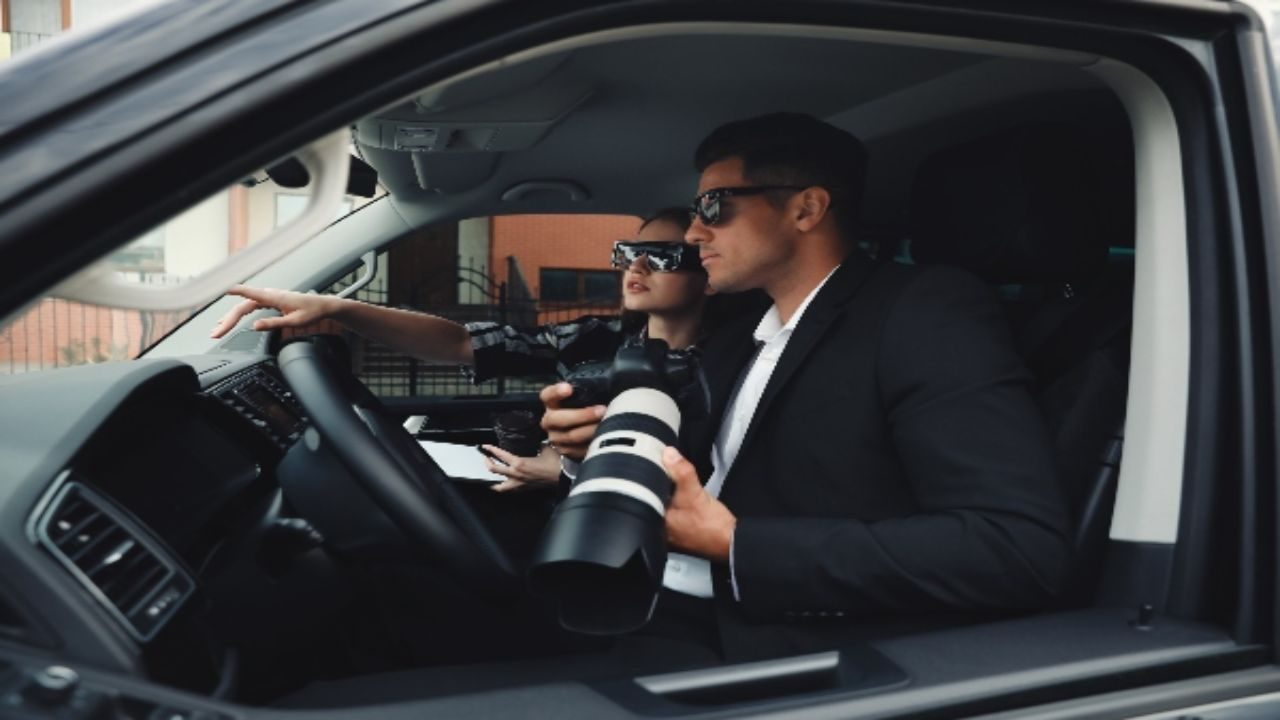
Sometimes the job means sitting in a hot car for five hours. Or lingering near a building until the target reappears. Or spending days just understanding their routine before even tailing them.
Waiting isn’t the hard part. It’s how you wait. Without being obvious. Without drawing attention. Without getting distracted.
This kind of surveillance demands patience. Discipline. And a steady mindset.
It’s Not Glamorous—But It’s Vital
Movies get it wrong. Following a target in a foreign country isn’t about cool gadgets and one-liners. It’s about discipline. Awareness. Adapting in real time.
Private investigators often operate in the shadows. Not because it’s flashy, but because real cases require that kind of caution.
Whether it’s a spouse suspected of cheating, a person trying to disappear with someone else’s money, or a corporate agent leaking sensitive information—this work makes a difference. Quietly.
So, What’s the Takeaway?
Surveillance in a foreign country is not for the faint-hearted.
It’s intense. Unpredictable. And often unrewarding—at least in the short term.
But it’s also fascinating. Because when done right, it reveals what people do when they think no one’s watching. And in some cases, it brings justice to light.
Curious about how private investigators operate across borders? Thinking about hiring one for an international case? It helps to know what really goes on behind the scenes.
Because the truth? It’s not always glamorous. But it is very real.