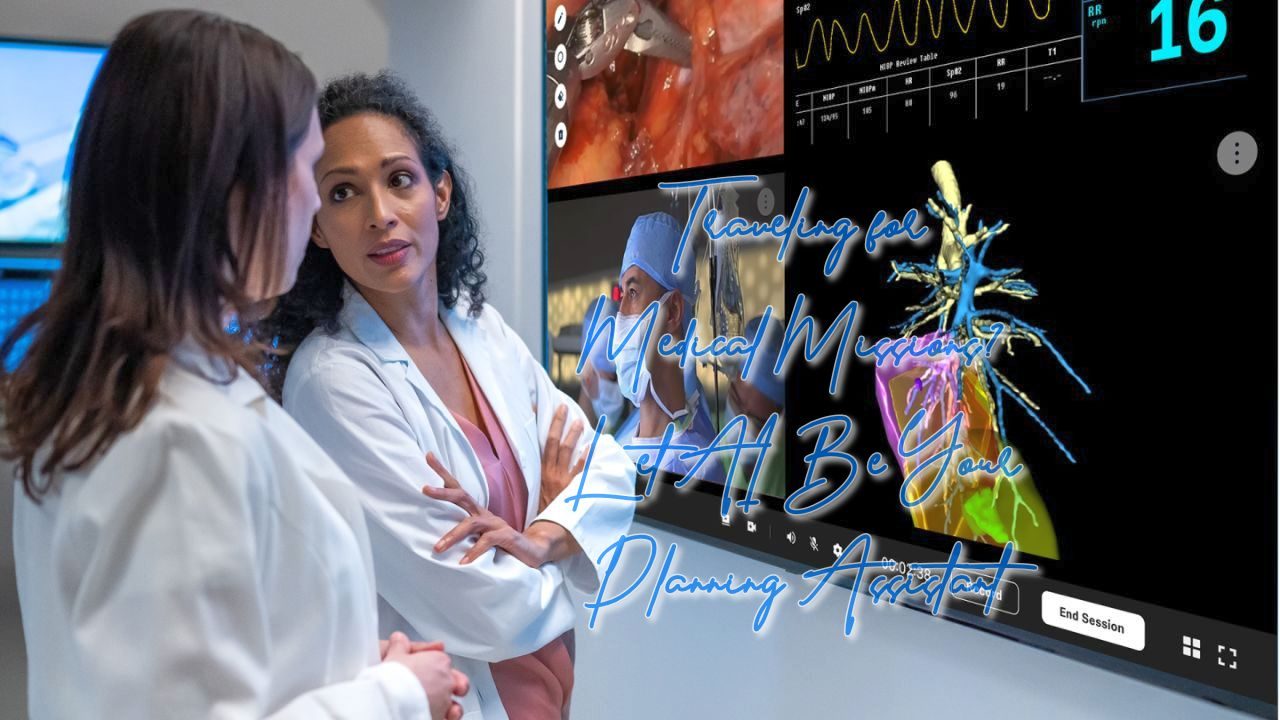
Planning a medical mission abroad is both an exciting and demanding endeavor. It’s not just about booking flights and packing bags—it’s about preparation that ensures success. The logistics of travel, supplies, paperwork, and cultural considerations can feel overwhelming. The solution? Leveraging AI tools to simplify the process. These tools act like personal assistants, helping you stay organized, anticipate challenges, and focus on what matters most. You can learn more here about specialized options for healthcare professionals, but for now, let’s dive into how AI can make your mission preparations smoother and more effective.
Whether you’re a seasoned volunteer or heading out for your first mission, this guide will show you how to simplify the process, reduce stress, and focus on what really matters—making a difference.
Why Planning Matters

When traveling for medical missions, preparation is the foundation of success. Unlike leisure travel, your work impacts lives directly, often in areas with limited resources. Every detail matters, from having the right medical supplies to understanding local customs.
A forgotten vaccination record or an overlooked piece of equipment could disrupt your mission. But planning doesn’t have to feel like an uphill battle. With AI tools, you can create checklists, track deadlines, and stay ahead of potential problems. It’s about taking a proactive approach to ensure nothing critical slips through the cracks.
Simplifying Packing
Packing for a medical mission requires precision. You’re balancing personal essentials with professional gear, all while staying mindful of weight limits and mobility. Forgetting something small—like extra gloves or a portable charger—could leave you scrambling in the field.
AI can help by creating tailored packing guides based on your mission type and destination. Heading to a tropical region? It’ll suggest insect repellent and lightweight scrubs. Preparing for a mountainous climate? Expect reminders for thermal layers and sturdy footwear.
Packing smart is about knowing what you’ll need and eliminating what you won’t. AI tools can offer insights based on weather, cultural norms, and your specific role on the mission, ensuring you’re prepared without overpacking.
Managing Paperwork
Medical missions often come with a mountain of paperwork. Visas, vaccination records, and permission letters must all be in order before departure. Missing one critical document can lead to delays or even prevent you from participating in the mission.
AI makes this aspect of planning far less daunting. With tools that can track requirements and deadlines, you’ll know exactly when and where to submit forms. If you’re unsure about the specifics of entry requirements for a country, AI can break down the process step-by-step, ensuring you’re never caught off guard.
This approach saves time and reduces stress, letting you focus more on the purpose of your mission rather than the administrative hurdles.
Handling Travel Logistics

Traveling for a medical mission often involves complex logistics. You might need to book flights, arrange transport to remote locations, and secure accommodations that are close to your work site. Unlike a simple holiday itinerary, the stakes are higher.
AI can assist by organizing your travel plans into manageable pieces. It can help identify the most efficient routes, recommend accommodations that meet your needs, and even suggest reliable local transport options.
Imagine landing in an unfamiliar country and already knowing exactly how to get to your destination, where you’ll be staying, and how to navigate local customs. That level of preparation comes from using tools that anticipate challenges and provide solutions before they become problems.
Bridging Cultural Gaps
Working in a new culture means more than just understanding the language. It’s about respecting traditions, navigating social norms, and building trust with the local community. A lack of cultural awareness can unintentionally harm relationships and limit the impact of your work.
AI tools can help you prepare by providing insights into cultural practices, etiquette, and even basic language phrases. For example, learning how to greet patients in their native language or understanding gestures to avoid can make a big difference in establishing rapport.
Being informed not only makes your work more effective but also shows respect for the community you’re serving. It’s these small actions that build connections and pave the way for meaningful interactions.
Staying Healthy While Abroad
Your health is critical to the success of your mission. Long hours, unpredictable schedules, and exposure to new environments can wear you down quickly. Staying hydrated, eating properly, and getting enough rest are essential, but they often fall by the wayside in the middle of a busy mission.
AI can provide practical advice on maintaining your well-being. From suggesting hydration strategies for hot climates to offering tips on avoiding foodborne illnesses, it helps you stay ahead of potential issues.
Preparation can also include reminders for necessary vaccinations or packing medical essentials like rehydration salts and first-aid supplies. By keeping your health in check, you’ll be better equipped to serve others.
Reflecting on Your Mission
The work doesn’t end when the mission is over. Reflecting on what you’ve accomplished, identifying areas for improvement, and planning for future missions are all crucial steps.
AI can support this phase by helping you organize your thoughts into clear reflections. It can guide you in drafting thank-you notes for supporters or collaborators, preparing debrief reports, or even creating a list of lessons learned for your next mission.
This process ensures that each mission builds on the last, improving your efficiency and impact over time.
The Bigger Picture
Medical missions are about making a difference in the lives of others. But the process behind them—planning, logistics, cultural preparation—can be complex. AI tools simplify these tasks, allowing you to focus on the work that truly matters.
By leaning on technology, you can stay organized, anticipate challenges, and ensure every detail is covered. It’s not about replacing human effort; it’s about amplifying your ability to prepare and adapt.
Your dedication to helping others is what drives the success of your mission. With AI as your assistant, you can approach each challenge with confidence, knowing you’re equipped for whatever comes your way.